
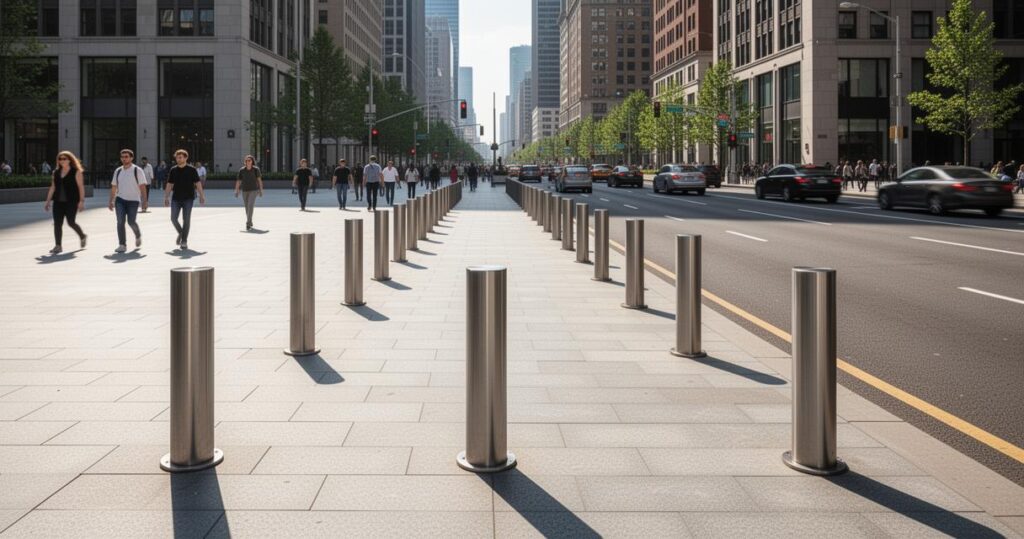
When it comes to protecting public spaces, the materials used in safety barriers are far more than a technical footnote. They are a fundamental part of how effectively a space can absorb risk, redirect danger, and keep people safe. From busy urban streets to construction sites and retail premises, the choice of material shapes everything from long-term durability to day-to-day performance.
Key points
- The selection of materials for safety barriers is critical to effectively absorbing energy, redirecting danger, and ensuring long-term structural integrity in public spaces.
- High-strength steel is preferred for its rigidity and impact-absorption capabilities, with different forms like bollards or horizontal systems serving specific protective functions.
- Material durability, enhanced by protective coatings like galvanization, is essential to withstand environmental exposure and reduce the need for frequent replacements in high-traffic areas.
- Effective security design balances the need for robust physical protection with the visual and aesthetic requirements of urban environments to ensure pedestrian accessibility.
- Regular inspection and maintenance are vital, as even minor, unseen damage can compromise the structural performance of a safety barrier over time.
- Modular safety systems that allow for individual component repair offer significant cost efficiencies and continuous infrastructure protection.
- Innovations in lightweight, impact-absorbing composites and sensor-integrated technologies are evolving to create more sustainable and responsive future security solutions.
Why the Right Materials Make All the Difference in Safety Barrier Performance
The key properties that define a reliable safety barrier
A well-designed safety barrier must do several things at once. It needs to withstand significant force, remain visible under varying light and weather conditions, and continue performing reliably over time without constant replacement. These demands mean that material selection is not simply about cost or aesthetics, it is about impact protection, structural integrity, and suitability for the specific environment in which the barrier will operate. High-strength steel, for instance, is widely used because it offers both rigidity and the capacity to absorb or redirect energy during a collision, making it a go-to choice for crash barriers and protective bollards alike.
Different applications call for different material properties. Vertical steel posts used as steel bollards provide a firm, fixed boundary that restricts vehicle access at entrances, pathways, and high-value zones. Meanwhile, horizontal systems such as Armco-style barriers are engineered to redirect energy rather than simply stop it, reducing the force transmitted during a vehicular impact. This distinction matters enormously in practice: a rigid post placed in the wrong context can increase injury risk, whilst a flexible barrier system in a high-speed environment may absorb and dissipate energy far more effectively.
How material durability affects long-term protection in high-traffic areas
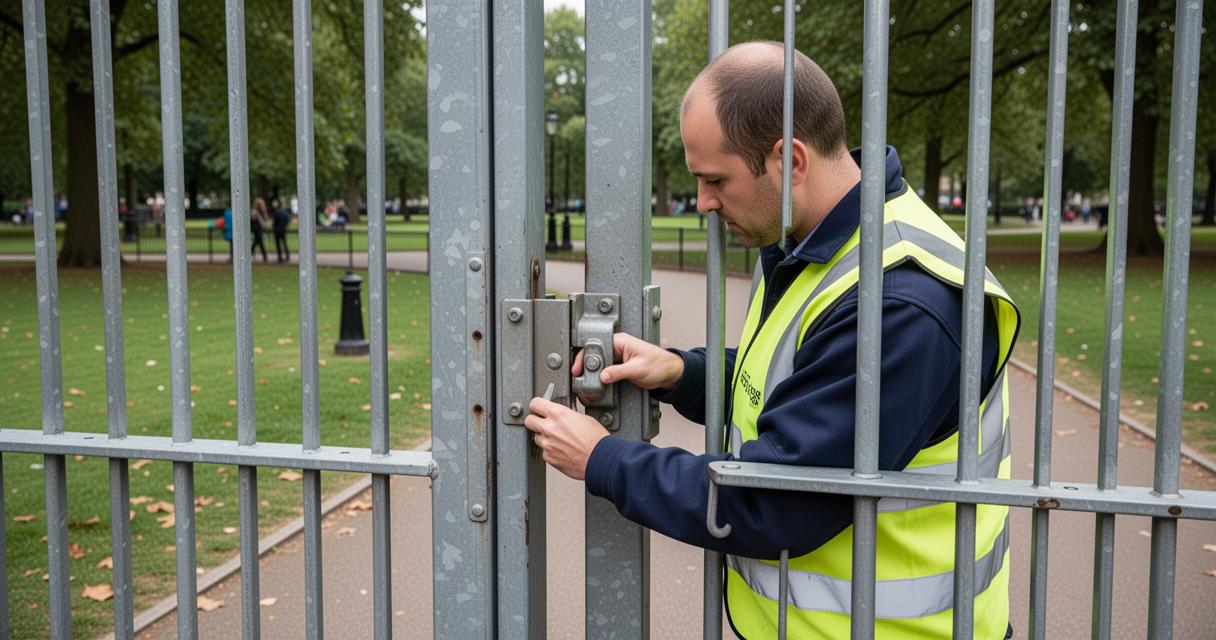
In high-traffic public environments, site resilience depends heavily on how well barrier materials hold up over time. Galvanised or powder-coated steel offers strong resistance to corrosion and weather, making it well suited for outdoor installations where exposure to the elements is a constant concern. These coatings extend the service life of barriers considerably, reducing the frequency of replacement and helping to maintain safety standards without repeated disruption to the site.
Ongoing inspection and maintenance remain essential regardless of material quality. Even the most robust systems require regular checks to ensure that impacts (however minor) have not compromised structural performance. A barrier that looks intact on the surface may have absorbed damage that reduces its effectiveness in a future incident. This is why integrated safety systems that combine static and flexible components are increasingly valued: they allow for modular repair and adaptation rather than wholesale replacement, supporting both cost efficiency and continuous infrastructure protection.
Choosing the Most Suitable Safety Barrier Materials for Different Public Environments

Balancing strength, visibility and adaptability across urban settings
Urban public spaces present a unique set of challenges. They must accommodate heavy foot traffic, manage vehicle flow, and do so in a way that does not compromise the visual appeal or accessibility of the space. Pedestrian safety is a priority, but so is ensuring that barriers do not turn vibrant plazas and streetscapes into forbidding enclosures. Material choices play a central role here: sleek steel bollards can delineate pedestrian zones without creating visual barriers, whilst low-profile crash barriers can guide traffic without overwhelming the aesthetic of the environment.
Vehicle access control and hazard mitigation must be balanced against the placemaking ambitions of urban designers. Research into public space design consistently highlights that security measures are most effective when they are integrated thoughtfully from the outset, rather than added as an afterthought. Imagination and intelligence in the early design stages allow security and beauty to coexist, with materials chosen not only for their protective qualities but also for how they contribute to the overall experience of the space.
The Role of Material Innovation in Shaping the Future of Public Space Security
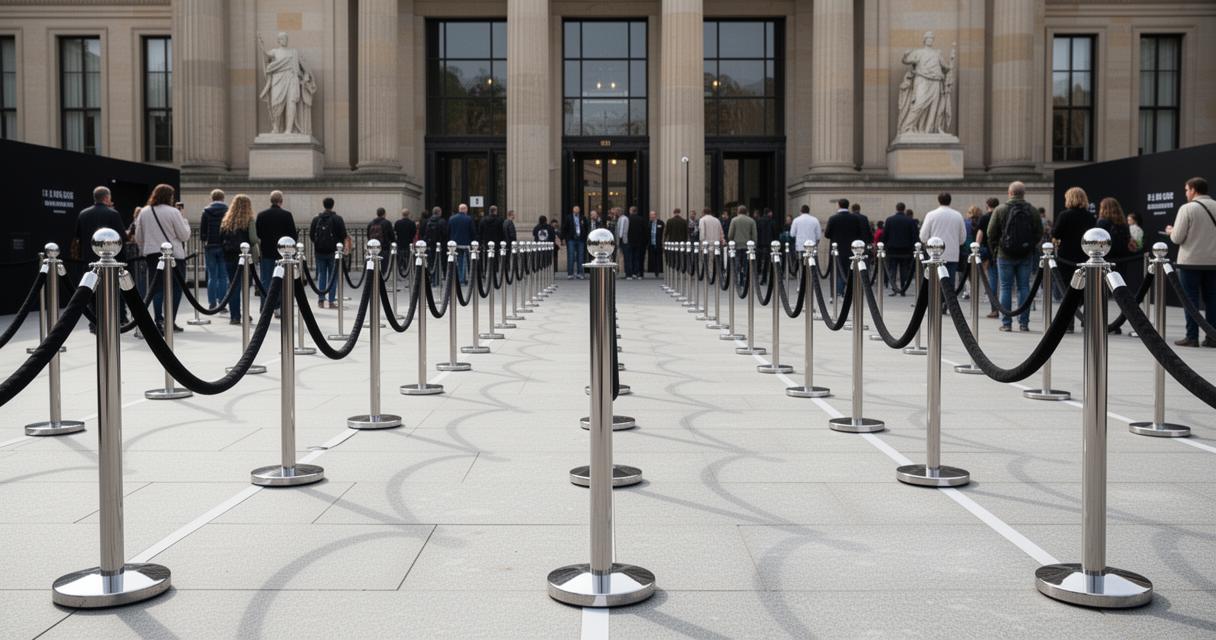
Innovation in barrier materials is opening new possibilities for collision avoidance and traffic management. Developments in lightweight yet strong materials (including aluminium-based composites designed to absorb and dampen impact) are being explored in various parts of the world as alternatives to traditional steel, offering potential benefits for both performance and sustainability. These materials can reduce overall weight without sacrificing impact absorption, and some formulations also offer acoustic dampening properties, which is a genuine advantage in dense urban settings.
At the same time, concepts such as sensor-integrated perimeter systems and adaptable access restriction technologies are beginning to complement traditional physical barriers, creating layered approaches to perimeter security that respond dynamically to changing conditions. The future of public space design is likely to see a closer integration of physical materials and digital intelligence, with urban safety systems that are both more responsive and more sustainable than those of the past. What remains constant, however, is the foundational importance of material quality, because no amount of technological sophistication can compensate for a barrier that fails under pressure.